

Your Smile Transformation Starts at Trusted Dental Care
Additive Smile & Functional Rehabilitation is a conservative smile transformation offered by Dr. Fesaha Gebrehiwot (Dr. G) at Trusted Dental Care in Wylie, TX. Instead of automatically removing healthy tooth structure to place crowns or veneers, Dr. G digitally designs your new smile and adds what is missing using modern composite techniques, including injection-molded composite.
The result is that worn, chipped, uneven, or undersized teeth can be rebuilt to improve how your smile looks and functions, while preserving healthy teeth when clinically appropriate, because smile transformation doesn’t always start with removing tooth structure.
Book Your Smile Design Consultation by Calling (214) 702-0446.
What Is Additive Smile & Functional Rehabilitation?
Additive Smile & Functional Rehabilitation is a planned, whole-smile approach to rebuilding teeth by adding material rather than removing healthy enamel. It sits between routine single-tooth bonding and traditional full-mouth cosmetic or restorative treatment. Using digital planning, smile design, and modern composite techniques, Dr. G can rebuild worn, chipped, uneven, or undersized teeth. The goal is to preserve healthy tooth structure whenever appropriate and add what is missing.
Why This Isn’t “Just Dental Bonding”
Traditional dental bonding usually treats one tooth or one flaw at a time. Additive rehabilitation is different because it involves comprehensive planning of:
- Your overall smile design
- Tooth proportions
- Tooth position
- Your bite
- How your teeth function together
- The complete rehabilitation, rather than individual teeth treated independently
That is why Dr. G calls this Additive Smile & Functional Rehabilitation rather than simply “dental bonding.”
Design First. Treat Second.
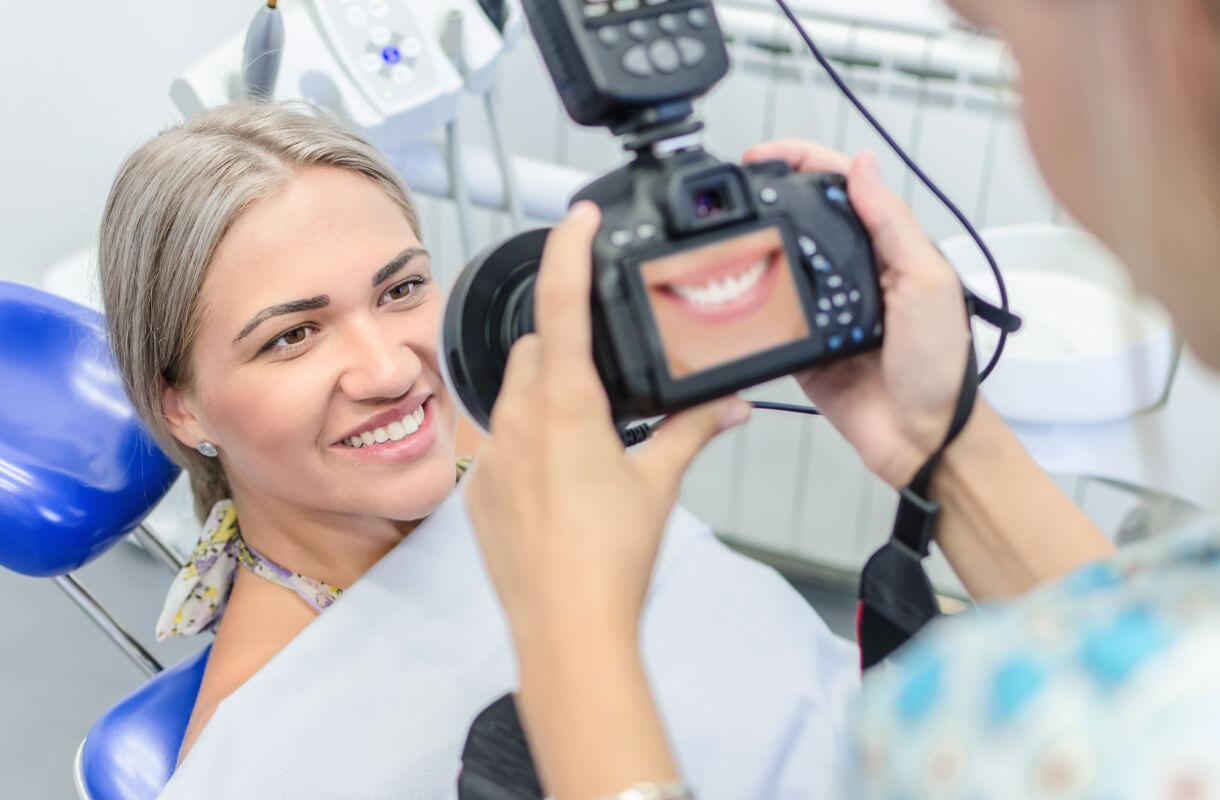
Rather than immediately committing you to irreversible treatment, additive dentistry may allow Dr. G to create your proposed smile with minimal alteration of your underlying teeth. You can experience the new smile, bite, tooth length, speech, and function before deciding whether composite will remain your restoration or whether you eventually want to transition to porcelain.
Who May Benefit From Additive Smile Rehabilitation?
This functional smile rehabilitation approach may be appropriate for patients with:
- Worn or shortened teeth
- Chipped teeth
- Uneven tooth shapes
- Small or undersized teeth
- Selected spaces between teeth
- Loss of natural tooth anatomy
- Changes in the bite caused by tooth wear
- A desire to improve their smile while preserving natural tooth structure
- Plans for a larger smile rehabilitation and interest in a conservative or transitional option
Three Treatment Pathways at Trusted Dental Care
There’s no single “right” material for every smile. Dr. G offers three pathways and helps you choose the appropriate material and treatment sequence for your goals.
1. Injection-Molded Composite Rehabilitation
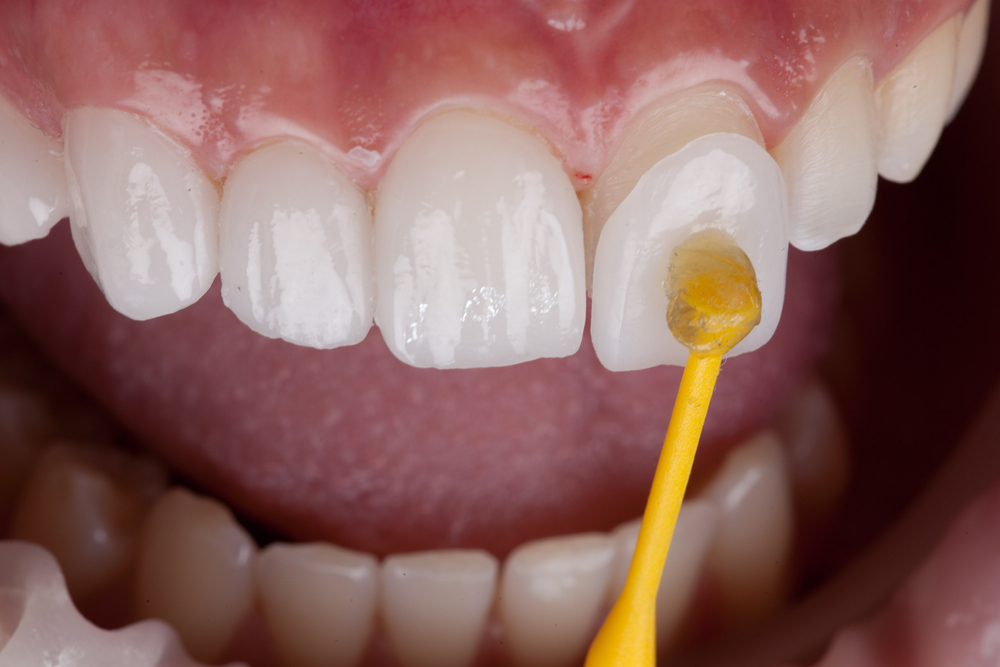
Your digitally planned smile is transferred to your teeth using precision matrices and composite material. This allows Dr. G to add tooth structure in predetermined areas and reproduce the planned tooth shapes with minimal alteration of healthy tooth structure when appropriate.
The technique can restore:
- Worn anatomy
- Tooth length
- Contours
- Proportions
- Selected aspects of your bite
An important advantage is the ability to test-drive the design. You can experience the proposed smile and function before committing to more invasive definitive treatment. Injection-molded composite can be used either as a restorative solution on its own or as a transitional phase in a larger rehabilitation.
2. Definitive Direct Composite Veneers
For patients choosing composite as a longer-term esthetic treatment, Dr. G restores and characterizes each tooth individually with direct composite. This allows greater individual control over:
- Tooth anatomy
- Shape
- Contours
- Line angles
- Surface texture
- Esthetic characterization
- Smile symmetry
These restorations remain additive and conservative when appropriate, but they receive more individualized finishing and characterization than a primarily injection-molded transitional rehabilitation.
3. Porcelain and Ceramic Treatment
Some patients ultimately prefer porcelain veneers, crowns, onlays, or other ceramic restorations for their definitive treatment. Porcelain may offer advantages in long-term color stability, surface characteristics, and durability in appropriately selected cases.
The additive composite phase can sometimes be valuable before porcelain. By then, you and Dr. G have already evaluated the proposed tooth shapes, smile, bite, speech, and function.
- The philosophy is not composite versus porcelain. It’s choosing the appropriate material and treatment sequence for you while preserving healthy tooth structure whenever possible.
Can You See Your New Smile Before Committing to Porcelain?
In many cases, yes. Because the additive approach adds material instead of removing it, you can live with your planned smile before making a more permanent decision. During this phase, you and Dr. G can evaluate:
- How the new smile looks
- How your bite feels
- Tooth length
- Speech
- Everyday function
From there, you decide whether composite remains your long-term restoration or whether you’d like to transition to porcelain. Either way, the design has already been tested in your own mouth.
Composite vs. Porcelain
| Composite (additive) | Porcelain/ceramic | |
|---|---|---|
| Effect on healthy tooth structure | Added to the tooth with minimal alteration when clinically appropriate | Evaluated case by case during planning |
| Over time | May stain, wear, chip, fracture, debond, or lose surface polish | May offer advantages in long-term color stability, surface characteristics, and durability in appropriately selected cases |
| Upkeep | May need maintenance, polishing, repair, resurfacing, or eventual replacement | Discussed with Dr. G for your specific restorations |
| Adjustments | Can often be modified or repaired relatively conservatively | Planned as a definitive restoration |
| Role in your plan | A restoration on its own, or a transitional “test-drive” before porcelain | A definitive restoration, often informed by the tested composite design |
What Makes Dr. G’s Approach Different?
We don’t begin by asking, “How many teeth need bonding?”
We begin by asking, “What should this smile look like, and how should these teeth function together?”
For larger cases, Dr. G evaluates your smile as a complete system. Planning may include:
- Digital records
- Smile design
- Tooth proportions
- Diagnostic planning
- Bite evaluation
- Additive restorative design
- Precision matrices
- Bite refinement
- Protection of the completed treatment
How It Works: Preserve. Design. Add. Evaluate. Protect.
- Preserve: We don’t automatically jump to removing tooth structure. Healthy teeth stay healthy whenever the clinical situation allows.
- Design: Dr. G digitally designs the desired result, planning tooth shape, proportion, position, and bite.
- Add: Missing tooth structure is rebuilt additively, using precision matrices and composite to transfer the design to your teeth.
- Evaluate: You and Dr. G evaluate the smile and bite together, including appearance, speech, and function.
- Protect: Dr. G refines the bite, protects the completed treatment, and works with you to determine the appropriate long-term restorative path.
Meet Dr. G, Your Wylie Smile Rehabilitation Dentist
Dr. Fesaha Gebrehiwot, FAGD, known to patients as “Dr. G,” leads every additive smile rehabilitation case at Trusted Dental Care. His training in smile design, bite, and comprehensive restorative planning is the foundation of this whole-smile approach.
- Fellow of the Academy of General Dentistry (FAGD), conferred June 27, 2026. Fewer than 6% of general dentists hold this designation.
- 1,300+ hours of continuing education
- Advanced training through the Kois Center, The Dawson Academy, the Pikos Institute, and the Resnik Implant Institute
- Trained in laser dentistry and in both dental implant surgery and restoration
Because Dr. G also provides full-mouth reconstruction, porcelain veneers, and crowns in the same office, your treatment can move into a definitive porcelain phase without changing providers.
Frequently Asked Questions
What is injection-molded composite?
Injection-molded composite is a technique that transfers a digitally designed smile onto your teeth. Dr. G uses precision matrices (molds made from your digital design) and composite material to add tooth structure exactly where the plan calls for it, with minimal alteration of healthy teeth when clinically appropriate.
What’s the difference between dental bonding and additive smile rehabilitation?
Dental bonding typically repairs one tooth or one flaw at a time. Additive Smile & Functional Rehabilitation at Trusted Dental Care plans the entire smile first, including tooth proportions, position, bite, and function, then rebuilds the teeth together as one designed system.
How can worn teeth be rebuilt conservatively?
Dr. G digitally designs the ideal tooth length, shape, and bite, then adds composite to restore worn anatomy and proportions. This can rebuild worn teeth without automatically removing healthy tooth structure for crowns.
Will my composite restorations need maintenance?
Yes, composite restorations may require maintenance, polishing, repair, resurfacing, or eventual replacement over time. Dr. G will explain what to expect and how to protect your completed treatment.
Get Started Today with Our Wylie Dentist!
If your teeth are worn, chipped, or uneven, your smile transformation doesn’t have to start by removing healthy tooth structure. Schedule a smile design consultation with Dr. G to find out whether an additive approach is right for you. Call (214) 702-0446 to get started today!